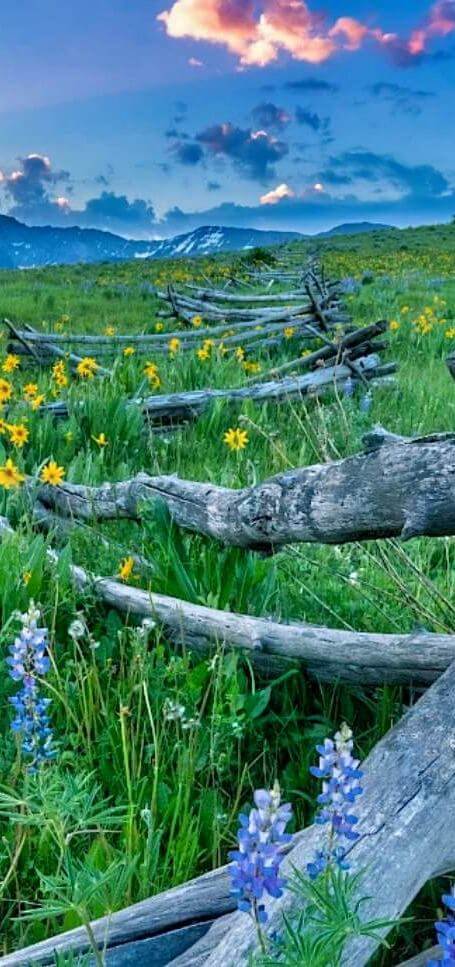
Big Skies and Quiet Roads in Western Wyoming
Western Wyoming is often known for its famous national parks, but the landscapes beyond them reveal a quieter and equally compelling side of the state. Traveling by bicycle through small towns, open valleys, and wide western landscapes offers a deeper look at the rhythms of life in the American West.
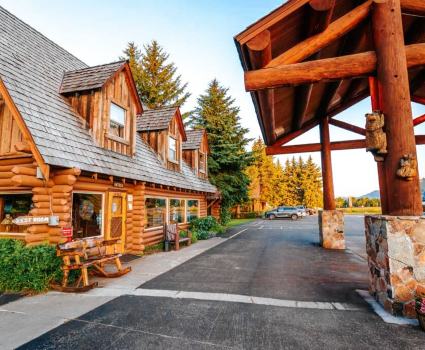
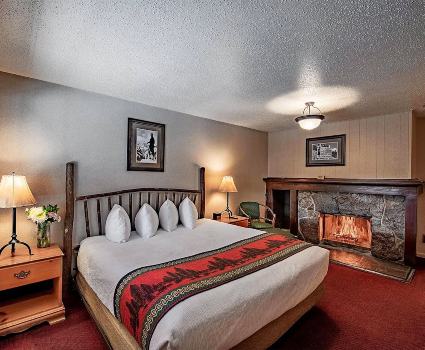
High in the pine forests atop Togwotee Pass, Hatchet Resort sits quietly along one of Wyoming's historic mountain crossings. Built in the 1950s on a ranch dating back to the late nineteenth century, the lodge rests among tall spruce and lodgepole pine where cool mountain air and quiet forest surroundings set the tone for the journey ahead.
Red cliffs along Wyoming roads
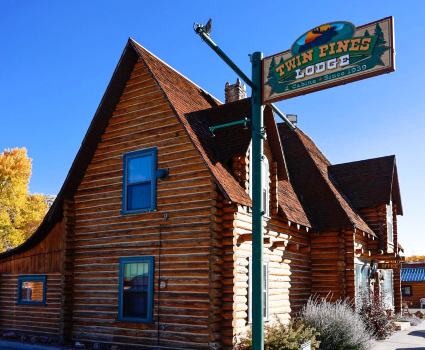
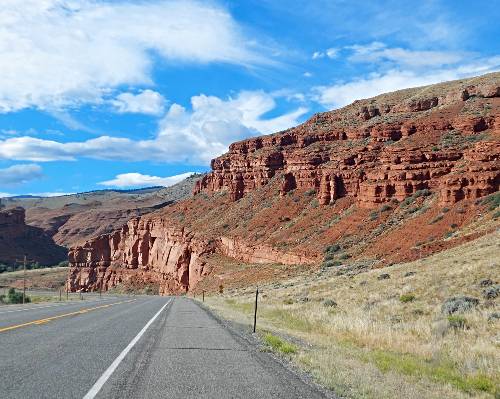 From the pass, the landscape gradually opens toward the wide valleys surrounding Dubois. Forest gives way to sagebrush hills and open rangeland as the horizon stretches beneath enormous western skies. Dubois itself reflects generations of frontier life, where wooden storefronts and historic hotels recall a time when travelers crossed this country by horseback and wagon.
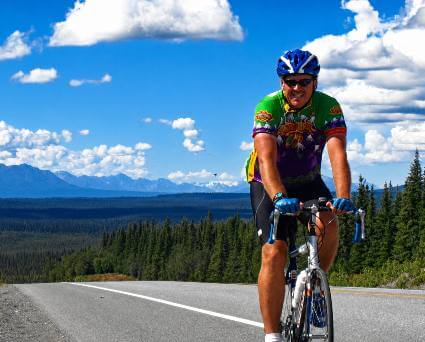
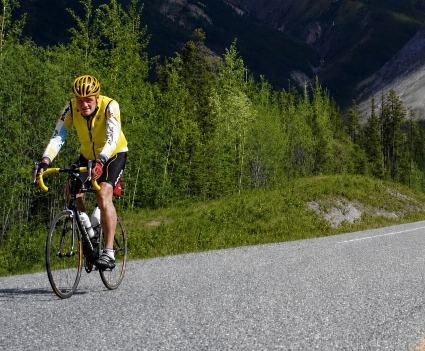
Much of the riding passes through classic Wyoming ranch country. Wide valleys stretch beneath expansive skies while multicolored buttes rise from the landscape, their layered bands of red, yellow, and gray revealing millions of years of geological history. Long quiet roads cross this open country where traffic is rare and the horizon seems to stretch forever.
Small towns provide welcome pauses along the way. Lander brings a lively western main street shaped by generations of ranching and outdoor life, while the surrounding hills still hold traces of historic mining communities tucked into the mountains beyond town.
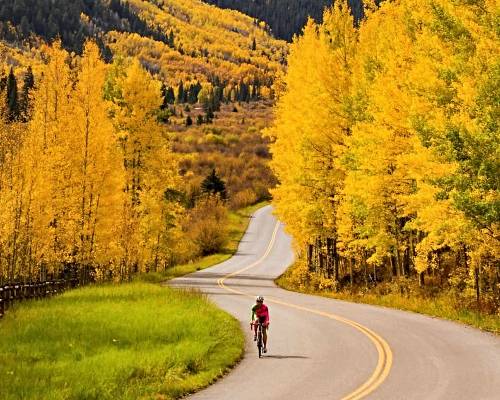
Cycling through fall foliage's colors
 Another well-known landmark appears in the tiny community of Farson. The Farson Mercantile has welcomed travelers for generations and is famous among cyclists for something simple but unforgettable: enormous homemade ice cream cones that feel especially satisfying after a long ride beneath the Wyoming sun.
The journey eventually reaches Pinedale, a small mountain town where the pace of life reflects the surrounding landscape. From here the Wind River Range occasionally appears along the horizon to the right, its peaks rising in the distance beyond rolling foothills and open rangeland.
Cycling through these towns and landscapes reveals a side of Wyoming that many travelers miss. Away from crowded park entrances and busy highways, the state unfolds slowly, one quiet mile of road at a time.