Japan in the Details
Active trips through old roads, post towns, temples, coastlines, rural inns, and beautifully unexpected moments
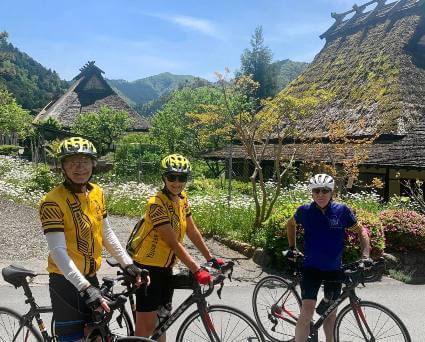
Moderate
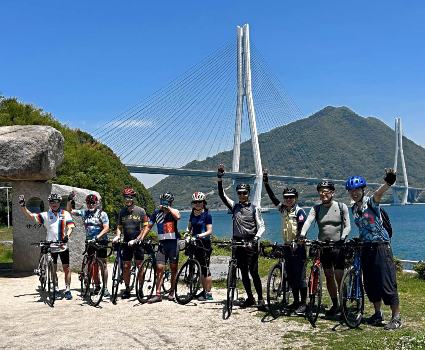
Leisurely
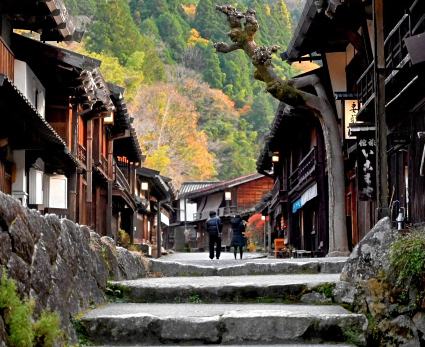
Leisurely
A Few Things You May Be Wondering
When is the best time to visit Japan?
Japan is a long country with considerable differences in climate, so the best time depends partly on where you are going. Spring and fall generally bring comfortable temperatures across much of the country, while summer can be hot and humid in central and southern Japan. Winter ranges from relatively mild conditions in the south to deep snow in the mountains and northern regions.
Is Japan a good destination for active travel?
Very much so. Japan combines mountains, coastlines, farming regions, historic routes and an extensive network of smaller towns and villages. Traveling on foot or by bicycle also takes you beyond the cities and famous sights, into the rural landscapes and everyday communities that make up much of the country.
Do I need to speak Japanese to travel in rural Japan?
No, but English becomes considerably less common once you leave the major cities and heavily visited tourist areas. On a Pedalers trip, we provide the support needed to handle language and cultural differences along the way. You will probably still pick up a few useful Japanese words before the trip is over.
What is staying in a ryokan or minshuku like?
Ryokans and minshukus are traditional Japanese inns and can be quite different from Western-style hotels. Rooms may have tatami floors and futon bedding, shoes are removed before entering certain areas, and meals are often an important part of the stay. Bathrooms may be shared rather than private. The experience can feel unfamiliar at first, but these small inns are one of the best ways to experience rural Japanese hospitality.
What should I expect at a Japanese onsen?
An onsen is a Japanese hot-spring bath and is part of everyday life at many traditional inns. Bathers wash thoroughly before entering the bath, and bathing suits are not worn. Baths are commonly separated by gender or used by men and women at different times, although arrangements vary by property. Using an onsen is optional on a Pedalers trip, and most accommodations provide another option for showering or bathing.
Tattoos can require a little planning because of their longstanding association in Japan with organized crime. If a tattoo can be covered, doing so is advisable, while individual properties may have their own rules. Guests with extensive tattoos should contact us before booking so we can explain what to expect.
What is the food like in Japan?
Japanese cooking varies enormously by region and season. Rice, noodles, fish, vegetables, tofu, pickles, grilled foods and soups may all appear, but rural meals can be quite different from the sushi and ramen most visitors already know. Traditional inns often serve multi-course dinners and Japanese breakfasts using local and seasonal ingredients.
Can vegetarian or vegan diets be accommodated in Japan?
This can be difficult, particularly in rural areas and traditional inns. Fish-based dashi is widely used in soups, sauces and vegetable dishes, and ryokans and minshukus often serve fixed meals that cannot be substantially changed. Strict vegetarian and vegan meals may not be possible on some Pedalers itineraries. If you have dietary restrictions, please discuss them with us before booking so we can give you realistic guidance for the particular trip.
What cultural etiquette should visitors know in Japan?
Courtesy and consideration for others are important parts of everyday Japanese life. Remove shoes when requested and never wear footwear on tatami mats. Keep voices relatively quiet in shared spaces, follow local rules at temples and shrines, and learn the basic etiquette before using an onsen. You do not need to know every custom before arriving, and we will help with the finer points along the way.
Is Japan mainly about Tokyo, Kyoto and the famous sights?
Those places deserve their reputation, but rural Japan offers a very different experience. Small fishing ports, farming villages, mountain towns, old post roads, family-run inns and quiet country landscapes reveal a side of Japan that can be difficult to appreciate when traveling only between the major cities.