Thailand Beyond the Postcard
Active trips through temples, markets, coastlines, mountains, villages, food stalls, and warm local hospitality
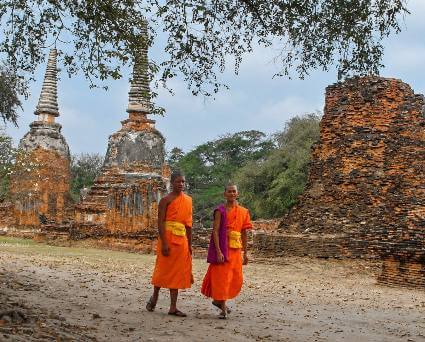
Moderate
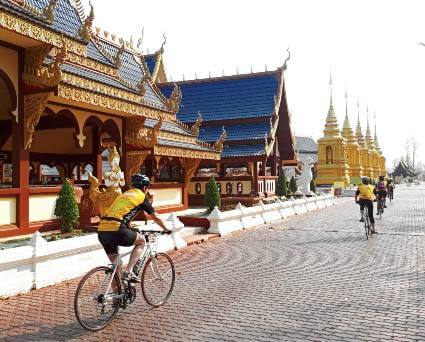
Leisurely
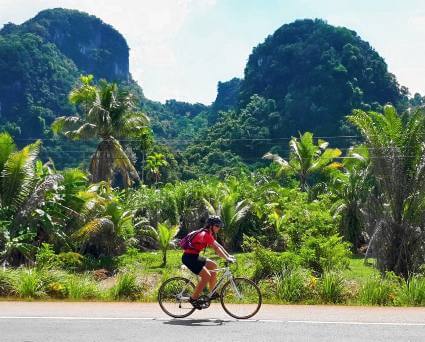
Leisurely

Extreme
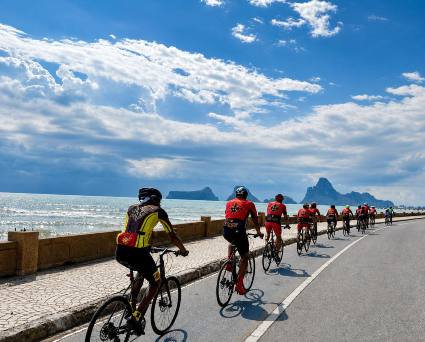
Moderate
Leisurely
Leisurely
A Few Things You May Be Wondering
When is the best time to visit Thailand?
There is no single best month for the whole country. Northern Thailand is generally cooler and drier from roughly November through February, while southern weather varies depending on the coast. Thailand can be traveled year-round, but the experience changes with the seasons, from cooler winter mornings to lush green landscapes during the wetter months.
What is the difference between Northern and Southern Thailand?
Northern Thailand is mountainous, agricultural and rich in historic cities, temples and distinct regional cultures. Southern Thailand is more tropical, with long coastlines, islands, fishing communities and a very different food tradition. Travelers who know Thailand mainly through Bangkok and its beaches are often surprised by how different the regions feel.
Is Thailand a good destination for active travel?
Very much so. Away from the busiest tourist centers, Thailand has an extensive network of rural roads, mountain landscapes, farming communities, rivers and coastlines that lend themselves naturally to active exploration. Traveling under your own power also slows things down enough to notice everyday life that is easily missed from a vehicle.
How hot and humid is Thailand?
Thailand has a tropical climate, so heat and humidity are part of the experience throughout much of the year. Conditions vary considerably by season, elevation and region. Northern mornings can be surprisingly cool in winter, while southern Thailand generally remains warm and humid. Active trips are planned with the climate in mind, including earlier starts, frequent breaks and plenty of water.
Is all Thai food very spicy?
No. Thai cooking can certainly be spicy, but heat is only one part of the cuisine. Sweet, sour, salty, bitter and savory flavors are balanced in different ways, and many dishes are naturally mild. Regional cooking also varies considerably, from northern curries and grilled meats to the seafood and stronger flavors of southern Thailand.
Can vegetarians eat well in Thailand?
Yes, although some care is needed. Vegetables, tofu, rice and noodles are widely available, but fish sauce, oyster sauce and shrimp paste are common ingredients even in dishes that appear vegetarian. On a guided trip we can help communicate dietary needs and choose meals accordingly.
Do I need to carry much cash in Thailand?
Yes, carrying cash is still advisable, especially when traveling outside the major cities. Card acceptance is becoming more widespread, but it remains concentrated in higher-end hotels and restaurants, larger shops and some malls. Many electronic payment systems used locally are tied to Thai banks and are not practical for most overseas visitors. Cash is still the norm at many local restaurants, markets and small businesses, particularly in the rural areas where we travel. ATMs are widely available, although Thai banks charge a fee when using foreign cards.
What cultural etiquette should visitors know in Thailand?
Thai culture is generally relaxed and welcoming, but a few courtesies are important. Dress respectfully when visiting temples, remove shoes when requested, avoid touching people's heads, and treat images of the Buddha with respect. Feet are considered the lowest part of the body, so avoid pointing them at people or sacred objects, or propping them up on the seat in front of you while traveling. Your guides will help with the finer points as situations arise.
Is Thailand mainly beaches, temples and big cities?
Those are certainly part of the country, but there is much more between them. Rice fields, fruit orchards, fishing villages, mountain communities, historic towns, small markets and everyday rural life make up much of the Thailand we enjoy sharing with our guests.